FedEx TRAC & Route
A modern replacement for the 30-year-old aircraft and route planning system managing 660 aircraft across 375+ locations.
Overview
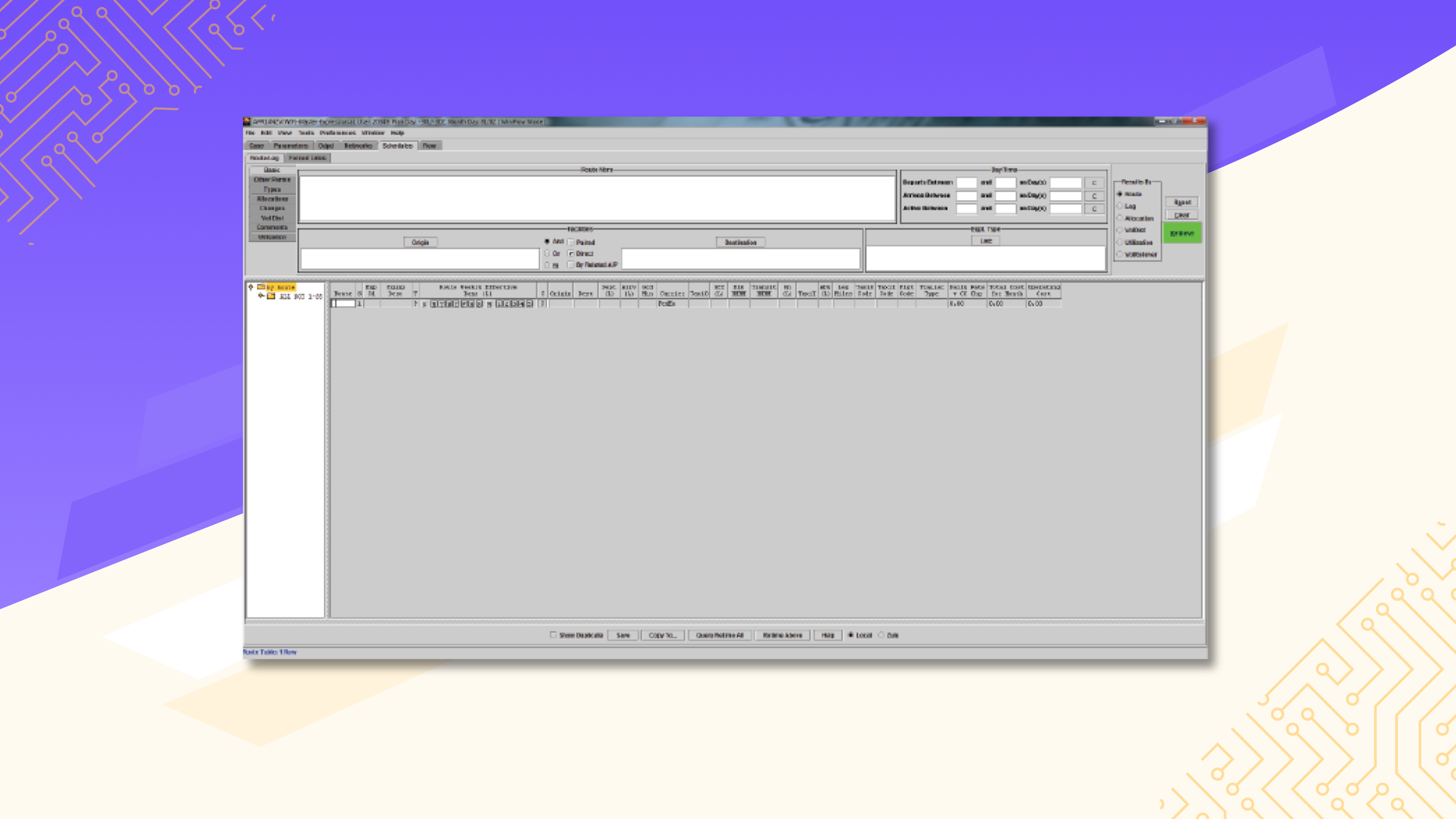
FedEx Express operated on a 30+ year old planning system used to schedule and track the movement of 660 aircraft to 375+ locations around the globe. The system was built from a web of disconnected tools, relied on knowledge that lived only in the heads of senior planners, and took new hires roughly two years to learn before they could work independently.
New planners took two years to become productive. The software wasn't teaching them — the senior planners were.
Challenges
- Multiple disconnected systems that required constant context switching
- A 2-year onboarding process for new planners
- No real collaboration tools — hand-offs happened via phone and email
- Weak data visualization in a fundamentally visual problem space
- Workflows fragmented across tools, windows, and mental models
Research
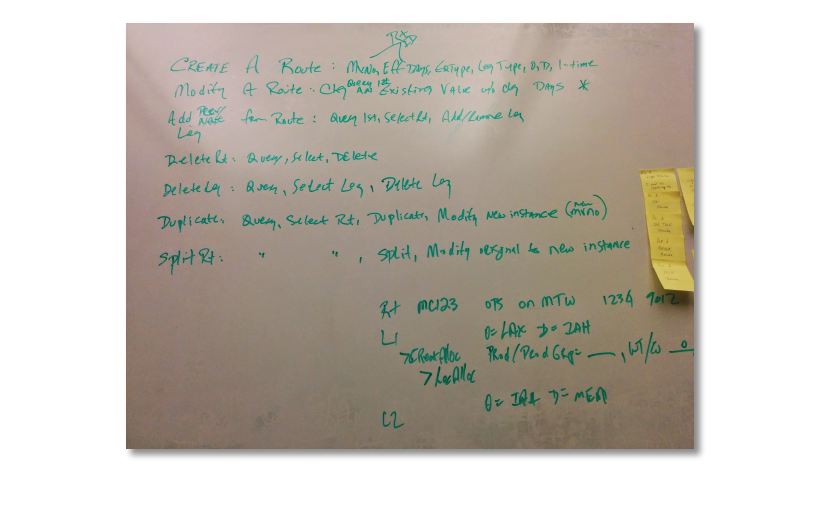
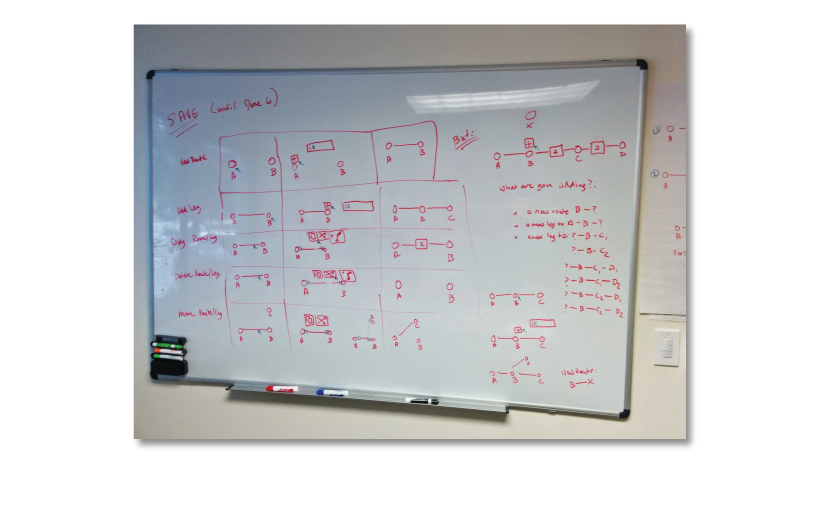
I spent weeks embedded with veteran planners in Memphis, many with 20–40 years of tenure. What I found was that there wasn't one process — there were two: TRAC, for international flight planning, and ROUTE, for domestic. They had different cadences, different constraints, and different mental models. Trying to force them into one UI had been part of why the old system felt so broken.
TRAC — International
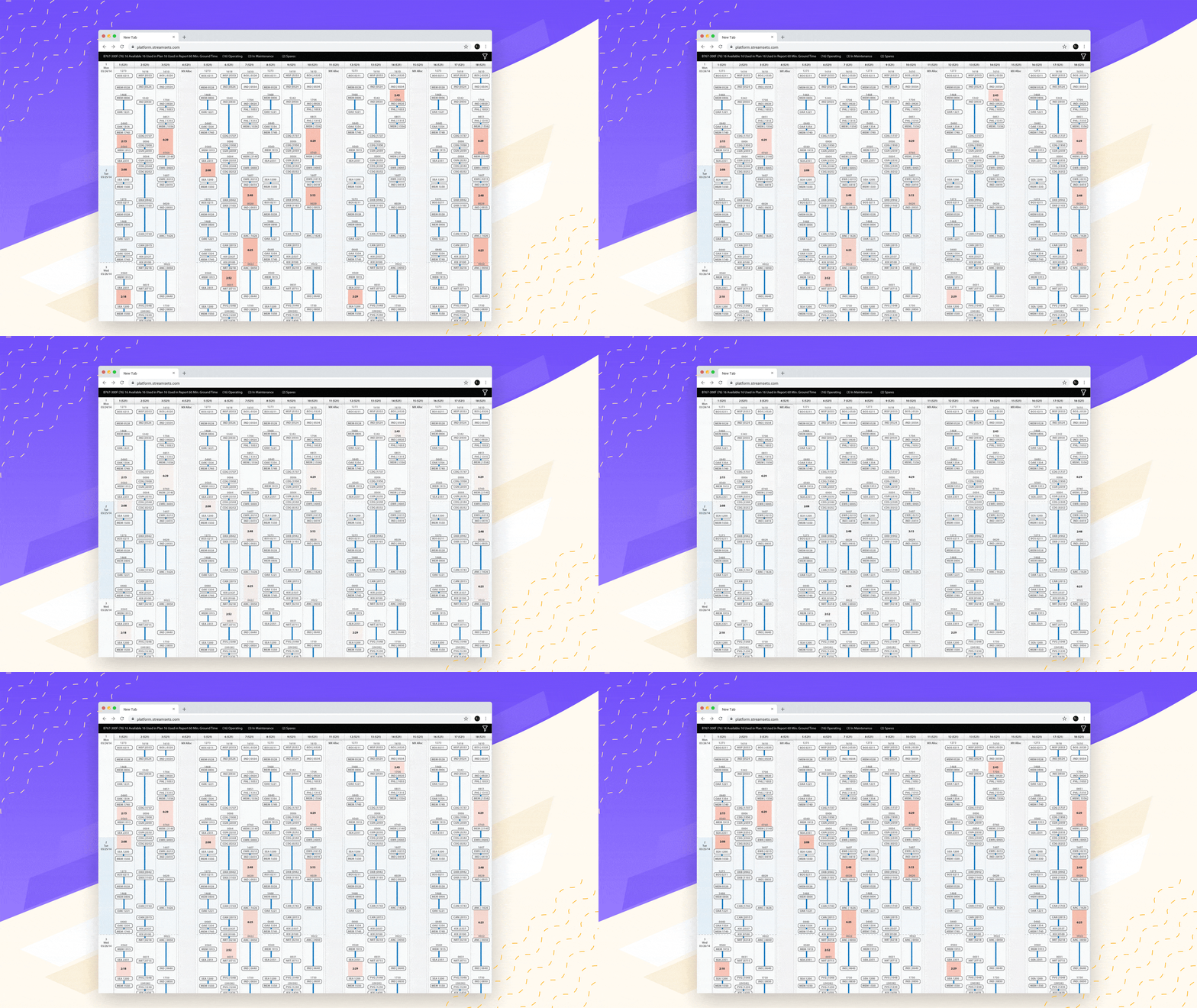
TRAC is dominated by airport time slots: which aircraft can land where, and when. I designed a vertical timeline layout that lets international planners see slot availability across airports and coordinate schedules that had to thread through dozens of constraints at once.
ROUTE — Domestic
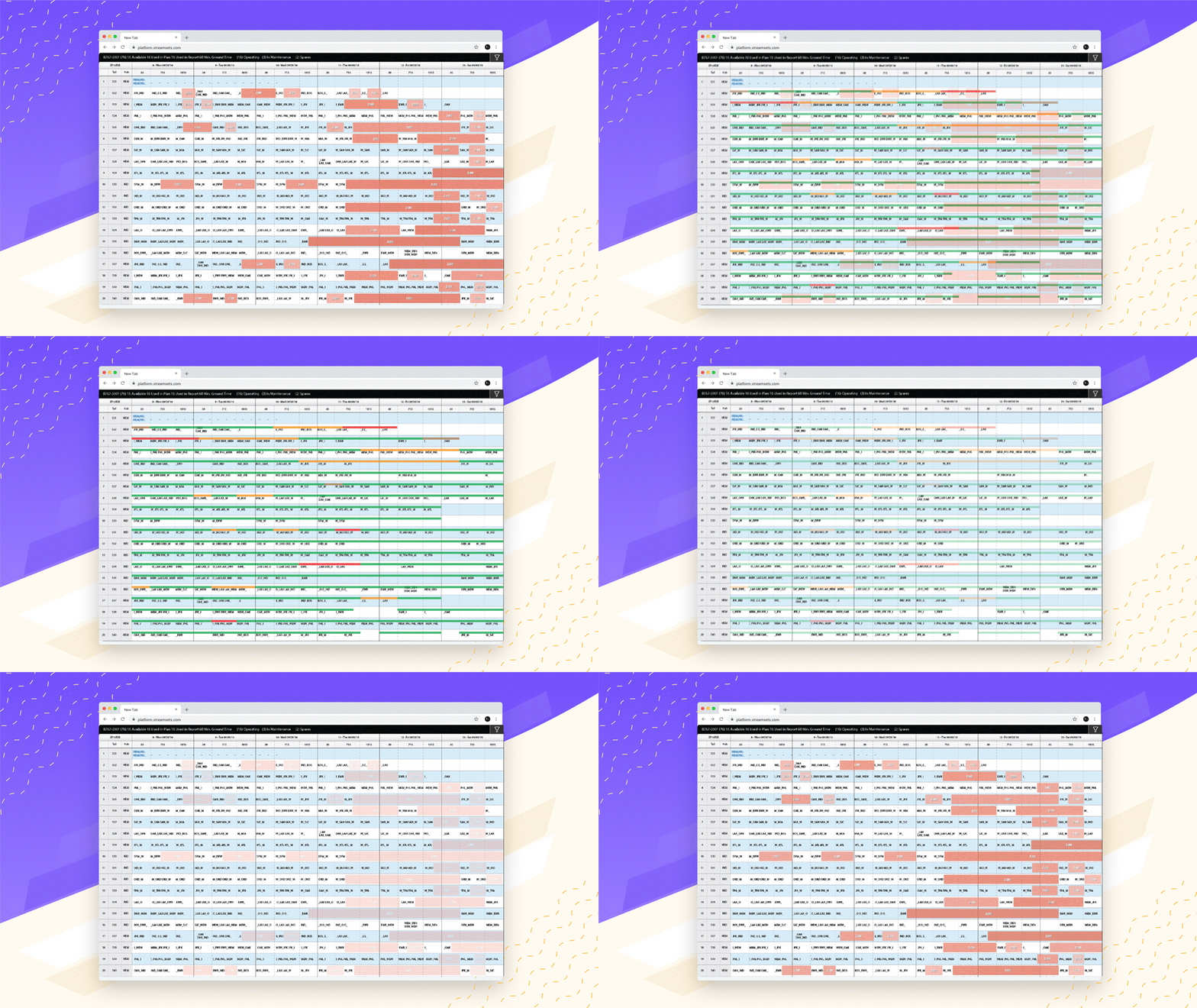
Domestic planning is a different game: time, package volume, and truck capacity are the main variables. The ROUTE layout is horizontal and time-scale oriented, optimized for rapid decision making under tight windows.
Outcome
There was healthy skepticism from leadership at the start — people had lived with the old tools for decades. The turning point was when a 37-year veteran planner became the project's strongest advocate. I presented Axure prototypes to leadership at FedEx HQ in Memphis; the redesign was approved and significantly reduced the onboarding curve for new planners.